
Australian Standards and WaterMark Certification
When purchasing plumbing products for the Australian market, buyers should pay closeattention to applicable Australian plumbing and water-efficiency requirements.
Depending on the product and application, WaterMark certification and WELS registrationmay be relevant.
WaterMark is Australia's plumbing product certification scheme, while the Water EfficiencyLabelling and Standards (WELS) scheme provides water-efficiency information for regulated
products.
Before importing or installing an automatic sensor faucet in Australia, suppliers and buyersshould verify the current certification and registration requirements applicable to the specific
product.
Where Are Automatic Sensor Faucets Used in Australia?
Hotels
Hotels increasingly use touchless bathroom fixtures to improve the guest experience and
simplify bathroom operation.
Restaurants and Cafes
Hands-free taps are suitable for customer and staff bathrooms where frequent use makes
hygiene particularly important.
Shopping Centres
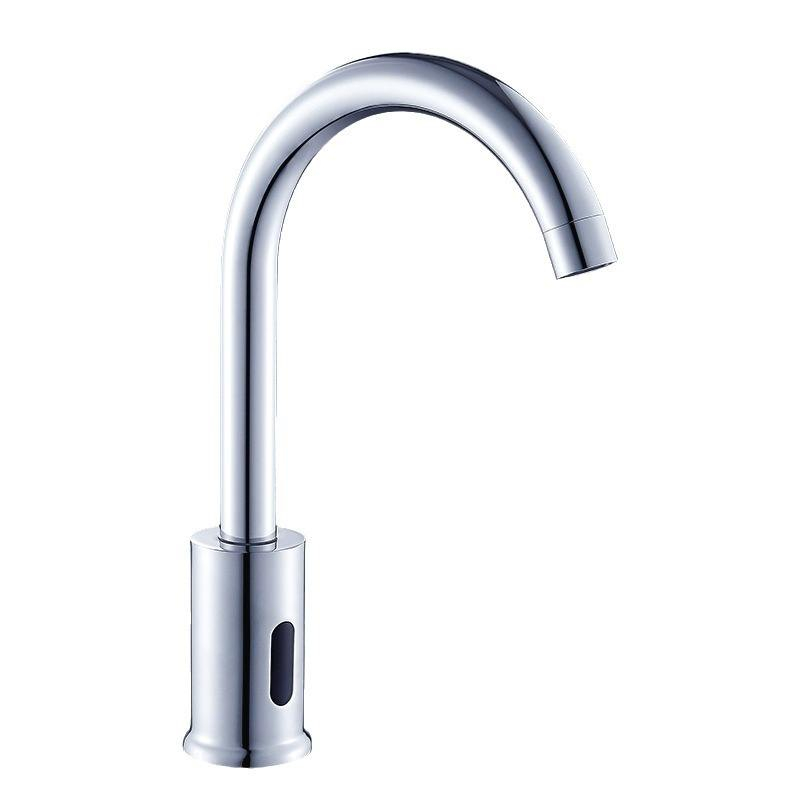
# Automatic Sensor Faucets in Australia: The Complete Guide to Touchless Sensor Taps
Automatic sensor faucets are becoming increasingly popular across Australia in commercial buildings, hotels, restaurants, shopping centres, hospitals, schools and modern residential bathrooms. Also known as **touchless faucets**, **sensor taps** or **automatic taps**, these products provide a more hygienic and convenient way to control water flow without touching the tap. For Australian businesses and property developers looking for a reliable water-saving solution, choosing the right **automatic sensor faucet in Australia** requires consideration of sensor technology, water efficiency, installation requirements, durability and Australian plumbing standards. ## What Is an Automatic Sensor Faucet? An automatic sensor faucet is a hands-free water tap equipped with an infrared or electronic sensor. When the sensor detects a user's hands under the spout, the faucet automatically opens the water valve. When the user removes their hands, the water flow stops automatically. Unlike traditional taps, users do not need to touch the handle. This makes sensor faucets particularly suitable for areas where hygiene, water conservation and frequent use are important. Common applications include: * Public bathrooms * Commercial buildings * Hotels and resorts * Restaurants and cafés * Shopping centres * Hospitals and healthcare facilities * Schools and universities * Airports and transport facilities * Office buildings * Residential bathrooms ## Why Are Sensor Taps Popular in Australia? ### 1. Improved Hygiene One of the main advantages of a **touchless sensor tap** is that users do not need to touch the faucet during normal operation. Traditional tap handles can be touched by hundreds of people in a busy commercial bathroom. A hands-free sensor faucet can reduce direct contact with the tap surface, making it an